


Is Your Parking Lot Maintenance Strategy Keeping Costs Under Control?
 If you manage a commercial property in Fairfax, VA, your parking lot is more than pavement. It is a liability surface, a first impression, and a long-term capital expense. With Northern Virginia’s freeze-thaw cycles, summer heat, and heavy traffic along corridors like Route 50 and I-66, small issues can turn into budget-busting repairs fast.
A clear maintenance strategy is what separates predictable annual costs from surprise line items that blow up your operating budget.
Below, we break down what an effective parking lot maintenance strategy actually includes and how Fairfax-area property managers can plan ahead for real cost control.
Key Takeaways
- Preventive maintenance is far less expensive than reactive asphalt repairs in Fairfax’s climate.
- Regular inspections and crack sealing significantly extend pavement lifespan.
- Drainage and traffic patterns are major drivers of long-term parking lot costs.
- Phased maintenance planning creates predictable budgets and fewer disruptions.
Key Components of an Effective Parking Lot Maintenance Strategy
A cost-controlled maintenance strategy is not reactive. It is built around a few core components that work together to extend pavement life and reduce emergency repairs.
Routine Inspections and Condition Tracking
Regular inspections are the foundation of cost control. In Fairfax, seasonal temperature swings cause asphalt to expand and contract, which accelerates cracking in high-traffic areas like retail entrances and loading zones.
Tracking pavement condition at least twice a year, typically in spring and fall, allows issues to be addressed before water intrusion leads to base failure.
For commercial properties near Fairfax Circle or busy office parks off Lee Highway, documenting changes over time also supports capital planning and helps justify maintenance budgets to ownership groups.
Crack Sealing and Preventive Repairs
Crack sealing is one of the highest ROI maintenance activities available. When cracks are left open, water seeps below the surface and weakens the subbase, especially during winter freeze cycles common in Fairfax County. Preventive sealing costs a fraction of full-depth repairs and can extend pavement life by several years.
This is particularly important for properties with wide asphalt expanses, such as shopping centers and medical offices, where deferred repairs quickly compound across thousands of square feet.
Sealcoating and Surface Protection
Sealcoating protects asphalt from UV exposure, oxidation, and moisture. In Northern Virginia’s hot summers, unprotected asphalt dries out and becomes brittle, making it more prone to cracking and raveling.
A consistent sealcoating schedule helps maintain flexibility and appearance while slowing surface deterioration.
For properties subject to HOA oversight or tenant appearance standards, sealcoating also supports compliance without requiring premature resurfacing.
Pavement Markings and Safety Compliance
Striping and markings are not just cosmetic. Clear stall lines, fire lanes, and ADA-accessible spaces are required for code compliance and risk management.
In Fairfax, enforcement often follows property inspections or tenant turnover, and faded markings can result in citations or forced re-striping on short notice.
Maintaining visible markings on a planned cycle avoids rush work, reduces liability exposure, and supports smooth traffic flow during peak business hours.
Evaluating Maintenance Needs and Planning for Long-Term Cost Control in Fairfax, VA
Once the core components are understood, the next step is evaluating your specific site and building a long-term plan that reflects Fairfax conditions and regulations.
Site Assessment and Traffic Analysis
Every parking lot performs differently based on traffic patterns and use. A retail plaza near Fair Oaks Mall experiences higher turning stress than a low-traffic office building in a suburban business park. Evaluating traffic load, delivery routes, and access points helps identify where pavement will fail first.
This analysis informs where to invest in stronger repairs or thicker overlays, preventing repeated fixes in the same high-stress zones.
Climate and Drainage Considerations
Fairfax receives consistent rainfall throughout the year, and poor drainage is a major cost driver in pavement failure. Standing water near curbs or low spots accelerates deterioration and undermines the base layer. Evaluating slopes, catch basins, and curb lines is critical when planning maintenance.
Addressing drainage early often reduces the scope of future asphalt work, especially in older commercial developments built before current stormwater standards.
Budget Forecasting and Phased Scheduling
Long-term cost control depends on realistic budgeting. Instead of reacting to failures, property managers benefit from phased maintenance plans that spread costs over multiple years.
For example, sealcoating one year, targeted patching the next, and resurfacing only when the pavement reaches the end of its service life.
In Fairfax County, coordinating work around peak leasing seasons or tenant schedules also minimizes operational disruption and avoids premium pricing for last-minute projects.
Permits, Regulations, and Contractor Coordination
Certain parking lot work may require coordination with Fairfax County agencies, especially when work impacts drainage, access points, or public right-of-way connections. Planning ahead allows time for permits and inspections without delaying the project.
Working with an experienced local contractor streamlines this process and ensures compliance with ADA guidelines, fire lane standards, and county inspection requirements.
Take Control of Parking Lot Costs Before Problems Escalate
Unplanned pavement failures cost more, disrupt tenants, and increase liability. A clear, locally informed maintenance strategy gives you control over timing, scope, and budget. At Paveco Inc, we help Fairfax commercial property owners evaluate existing conditions, prioritize repairs, and build maintenance plans that reduce long-term costs.
If your parking lot is showing early signs of wear or your maintenance budget feels unpredictable, now is the time to act. Contact us to schedule a site evaluation and start planning for smarter pavement performance.
Frequently Asked Questions
How often should our commercial parking lot be inspected in Fairfax?
For most Fairfax commercial properties, inspections should occur at least twice per year, typically after winter and before fall. This timing captures damage from freeze-thaw cycles and allows repairs to be scheduled during optimal paving conditions.
What maintenance work has the biggest impact on long-term costs?
Crack sealing and sealcoating provide the highest return on investment. These services protect the pavement structure and delay the need for resurfacing, which is significantly more expensive and disruptive.
Are there specific regulations we need to consider for parking lot work?
Commercial lots must comply with ADA accessibility requirements, local fire lane standards, and Fairfax County permitting rules when work affects drainage or access points. Planning ahead avoids delays and potential compliance issues.
How far ahead should we plan for major parking lot repairs?
A three- to five-year maintenance outlook is ideal. This allows us to forecast costs, schedule work in phases, and align repairs with tenant needs and budget cycles common in Fairfax commercial properties.
How to Prioritize Parking Lot Repair Tasks Across Large Commercial Sites
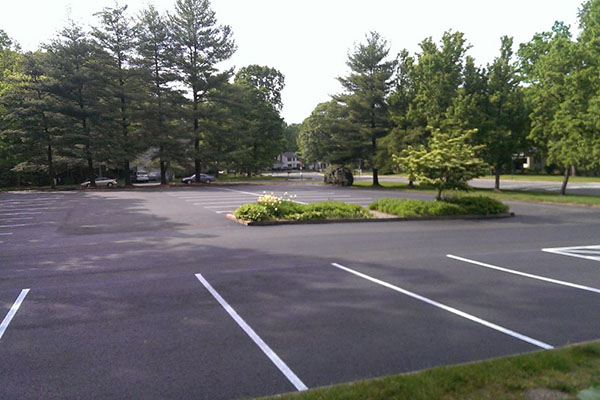 Managing a large commercial parking lot in Fairfax is rarely simple. Between steady commuter traffic along Route 50, delivery vehicles near I-66 corridors, and seasonal freeze-thaw cycles common in Northern Virginia, pavement issues tend to stack up fast. The real challenge is not identifying problems but deciding what to fix first without disrupting tenants or overspending.
Below, we break down a practical, field-tested way to evaluate and rank repair needs, then turn that information into a phased plan that aligns with safety, budget, and daily operations.
Key Takeaways
- Prioritizing parking lot repairs starts with a full-site evaluation and clear ranking of safety, operational, and structural issues.
- High-traffic areas and compliance-related defects should be addressed before cosmetic or low-impact repairs.
- Phased repair plans help align pavement work with budgets, tenant needs, and Fairfax County requirements.
- Preventive maintenance and regular reviews extend pavement life and reduce long-term costs.
Conduct a Full-Site Pavement Walkthrough
Every prioritization process starts with a physical walkthrough of the entire property.
For large Fairfax commercial sites like retail plazas near Fair Oaks or office parks along Lee Highway, this means covering all driving lanes, fire lanes, loading areas, and pedestrian paths. Visual inspections help identify cracking, potholes, drainage issues, and surface raveling that may not show up clearly in aerial photos.
This step matters because traffic patterns and usage intensity vary across a site, and hands-on observation reveals which areas are deteriorating fastest.
Identify Immediate Safety and Liability Risks
Once conditions are documented, safety-related defects take priority.
Trip hazards at crosswalks, potholes in ADA-accessible routes, and failed striping near building entrances pose real liability risks under ADA guidelines and local inspection standards.
In Fairfax County, commercial properties are often inspected after complaints or incidents, making it critical to address hazards that could impact pedestrians, delivery drivers, or emergency access.
Ranking these items first helps reduce exposure to claims and compliance issues.
Assess Traffic Load and Operational Impact
Not all pavement failures affect operations equally.
High-traffic zones such as main ingress points off major roads like Route 29 or areas serving anchor tenants experience faster deterioration and greater disruption when asphalt repairs are delayed. Evaluating traffic load helps determine which repairs will prevent larger failures and downtime.
This step ensures that work sequencing supports tenant access, delivery schedules, and overall site functionality.
Evaluate Underlying Structural Conditions
Surface damage often points to deeper structural issues.
In Northern Virginia, poor drainage, clay-heavy soils, and aging subbase materials are common contributors to premature pavement failure. Reviewing core samples, drainage flow, and past parking lot repair history helps distinguish between cosmetic fixes and areas that require structural rehabilitation.
Addressing root causes early prevents repeated patching that drives up long-term costs.
Review Compliance and Local Requirements
Commercial sites in Fairfax must meet specific county and state requirements related to fire lanes, stormwater management, and accessibility. Faded fire lane markings, blocked drainage inlets, or deteriorated curb ramps can trigger violations during inspections.
Factoring compliance into prioritization ensures that required repairs are scheduled before enforcement actions or penalties arise, especially in mixed-use or high-visibility properties.
Creating a Phased Repair Plan That Aligns With Budget, Safety, and Operational Goals
Once repair priorities are clearly defined, the focus shifts to organizing that work into a structured plan that balances urgency, cost control, and day-to-day operations. The following principles help turn a ranked list of issues into a phased strategy that keeps large commercial sites functional, compliant, and financially manageable.
Group Repairs by Urgency and Scope
After ranking issues, the next step is grouping them into short-term, mid-term, and long-term categories. Immediate safety hazards are addressed first, followed by preventive maintenance and then capital-intensive reconstruction.
For large Fairfax commercial campuses, this approach spreads costs over time while keeping the most critical areas serviceable. Grouping also helps coordinate work zones to minimize repeated disruptions.
Align Phases With Budget Cycles
Most commercial property owners and managers operate on annual or multi-year capital budgets. Phasing repairs to match these cycles allows for better financial planning and avoids deferring essential work indefinitely.
In Northern Virginia, pricing can fluctuate based on season and material availability, so aligning phases with off-peak construction periods can also improve cost control. Clear phasing helps stakeholders understand where funds are going and why.
Schedule Work Around Tenant and Traffic Needs
Operational continuity is a major concern for commercial sites.
Repair phases should be scheduled to avoid peak business hours, major retail seasons, or known traffic surges. For example, office complexes near Metro-accessible corridors or shopping centers near Fairfax Corner benefit from night or weekend work.
Thoughtful scheduling reduces tenant complaints and keeps parking availability predictable.
Integrate Preventive Maintenance Measures
Phased plans should not focus only on visible damage.
Sealcoating, crack sealing, and line restriping extend pavement life and delay major reconstruction. In Fairfax’s climate, preventive maintenance is especially effective when timed before winter freeze-thaw cycles.
Including these measures in early phases protects recent repairs and maximizes return on investment.
Build in Review and Adjustment Points
Large commercial sites evolve.
Traffic patterns change, tenants rotate, and new regulations emerge.
A phased plan should include periodic reviews to reassess conditions and priorities. This flexibility allows property managers to adjust scopes based on updated inspections, budget changes, or operational needs without losing sight of long-term pavement performance goals.
Take Control of Your Parking Lot Repair Strategy
When parking lot issues compete for attention across a large commercial site, guesswork leads to wasted money and unnecessary risk.
At Paveco Inc, we help Fairfax-area property managers evaluate conditions, rank repairs, and build phased plans that make sense for safety, compliance, and operations.
If you are managing a large commercial property and need a clear path forward, contact us to schedule a site walkthrough and start prioritizing with confidence.
Frequently Asked Questions
How do we know which parking lot repairs cannot be deferred?
Safety hazards, ADA-related deficiencies, and fire lane issues are typically non-deferrable because they create liability and compliance risks. Evaluations usually reference ADA standards, local fire marshal requirements, and Fairfax County inspection criteria to determine urgency.
What is a realistic timeline for phased parking lot repairs?
Timelines depend on scope, access constraints, and permitting needs, but many large commercial sites plan phases over one to three years. Short-term repairs can often be completed within weeks, while structural rehabilitation may require coordination across multiple construction seasons.
How do budgets typically break down for large commercial parking lots?
Costs vary based on materials, labor, and the extent of base repair, but budgets often allocate funds across immediate repairs, preventive maintenance, and long-term reconstruction. Grouping work reduces mobilization costs and improves overall cost efficiency.
How often should commercial parking lots be re-evaluated?
Annual inspections are common for large sites, with additional reviews after severe weather or heavy construction activity. Regular assessments help ensure compliance with evolving regulations and catch early signs of pavement failure before costs escalate.
How To Determine If Your Driveway Paving Should Be Replaced Or Resurfaced
 Homeowners across Fairfax see the same pattern every year. After a long stretch of humidity and freeze cycles near Daniels Run and along Main Street, asphalt driveways begin to crack, settle, or shed their surface. That wear raises a simple question: keep the base and resurface, or start fresh with a full replacement.
The right choice depends on the condition of the materials under your feet, not just what you see on top. In this guide, we walk through the signs that help you decide and how to move forward with confidence toward the best long-term fix.
Key Takeaways
- Surface damage that stays shallow often points to resurfacing as a strong option.
- Structural cracks, sinking, and drainage failures usually require full replacement.
- Local soil, grading, and HOA rules in Fairfax shape the best long-term fix.
- A professional base assessment gives clear direction and avoids short-term mistakes.
Factors That Indicate Replacement or Resurfacing
The best way to choose between resurfacing and replacement is to look at a few core conditions that show how well your driveway’s structure is holding up.
Surface Wear That Stays on the Top Layer
Light wear often means resurfacing is enough when the damage sits only in the upper coat. We see this on many Fairfax properties near Mantua and in the older colonial homes off Chain Bridge Road, where the base remains sturdy.
The top layer will show oxidation, hairline cracking, and light pitting from heat and winter salting, but the bottom layers still carry weight and drainage well. In these cases, a fresh asphalt overlay brings the driveway back to a smooth, dark finish.
It works best when the wear is shallow and the home has solid grading that moves water away from the garage.
Cracking Patterns That Reveal Structural Problems
Cracking that spreads across wide areas signals deeper problems below the top layer.
Alligator cracking, which looks like the back roads near Fairfax Station after heavy trucks pass, often points to base failure. When load support weakens, resurfacing will hide the cracks for only a short time.
Full replacement eliminates the weakened material and restores firm support. Homes around Mosby Woods with clay-heavy soil run into this more often, so checking for soft spots around the cracked areas helps confirm the need for replacement.
Drainage Issues That Undermine the Base
Poor drainage sends water under the asphalt until the sub-base shifts or washes out. Driveways along slopes near George Mason Boulevard or in subdivisions with dense tree cover see this when water collects along the edges. Standing water causes sinking and widening cracks.
If the base has lost its shape or the soil stays wet for long periods, replacement allows us to rebuild proper drainage. When drainage issues stay on the surface and the base stays firm, resurfacing can still hold up well.
The key is checking how water flows after a steady rain.
Age and Previous Repairs That Affect Lifespan
Most Fairfax asphalt driveways last about 15 to 20 years with average weathering. Homes built during the early 2000s near Eagle View and Fair Lakes often reach this age range now.
Frequent patching, past overlays, and multiple sealcoatings shorten the life of the remaining asphalt. When asphalt repairs start to stack up, a full replacement gives a clean slate and resets the lifespan.
Resurfacing works best when the driveway has not reached the end of its structural limit.
Base Stability That Determines Long-Term Results
A strong base carries the load through freeze-thaw cycles common from December through March.
If we can walk the surface and feel movement underfoot near the apron or mid-drive, the base has likely settled. Subdivisions with older gravel foundations, like parts of Country Club Hills, see this most often. A new surface will not correct that movement.
Full replacement lets us rebuild the base to the right depth and density for long-term strength. When movement is absent and compaction is still good, resurfacing becomes the better value.
How To Move Toward the Best Long-Term Solution
You can choose the best path by following a few simple steps that clarify the condition of your driveway and the cost of each option.
Inspect the Driveway After Rain
Walking the driveway right after a steady Fairfax rain shows how water moves across and under the asphalt. Puddles near gutters or low spots close to the garage often reveal problems that stay hidden when the driveway is dry. Persistent puddles in neighborhoods like Kings Park West point to grading issues that may call for replacement.
A dry, even surface after rain usually supports resurfacing. This quick check gives you a clearer sense of the driveway’s true condition.
Measure the Depth of Surface Damage
Light wear stays within the top inch, while deeper cracking and sinking signal structural failure. A simple depth check helps separate cosmetic problems from base problems. Homes near Old Town Fairfax with older driveways often show shallow wear across long stretches.
When damage stays thin and consistent, resurfacing restores strength and appearance. Deep fractures or holes that reach into the foundation material usually push the driveway toward replacement.
Compare Cost Ranges for Each Path
Resurfacing typically costs less because the base remains intact.
In Fairfax, resurfacing often falls in the range most homeowners expect for a mid-sized driveway, while full replacement usually lands at a higher level due to excavation, base rebuild, and new asphalt.
Properties in Fairfax Corner and other HOA areas may require specific materials or thicknesses, which influence price. Knowing these ranges helps set a realistic budget and timeline.
Check HOA and Permit Requirements
Many Fairfax neighborhoods have HOA rules on color, edging, thickness, and curing time.
Communities close to Burke Centre or within managed subdivisions often require approval before surface work begins. Fairfax County permitting usually applies when excavation or grading changes occur, which is common during full replacements.
Confirming these requirements early keeps the project smooth. Clear rules often make the choice between resurfacing and replacement easier.
Request a Professional Base Assessment
A professional crew can test compaction and spot base failures that homeowners rarely catch. Soil type, drainage, truck traffic, and past patching all affect how long the driveway will last.
In Fairfax’s mixed soils near Lake Accotink, base assessments matter because clay layers shift more easily. This assessment often confirms whether resurfacing will hold up for years or fail early. It brings clarity and saves money by avoiding short-term fixes.
Move Forward With Confidence on Your Driveway
Living with cracks, ruts, or standing water brings daily frustration and worry about bigger problems ahead. When the driveway reaches that point, the choice between resurfacing and replacement feels uncertain.
You need a clear path backed by local conditions and proven results.
At Paveco Inc, we guide homeowners in Fairfax through that decision with honest assessments and long-lasting solutions tied directly to the condition of your driveway. Reach out today to schedule an on-site evaluation within the next few days so you can plan repairs with confidence and request a detailed quote.
Frequently Asked Questions
How do I know if the cracks in my Fairfax driveway are deep enough to require replacement?
Cracks that spread in a web pattern or feel soft underfoot often reach into the base, and a full replacement usually solves the issue by rebuilding the support layer.
Can resurfacing hold up in Fairfax’s winter freeze cycles?
Resurfacing performs well when the base stays firm because the new top layer handles freeze-thaw stress as long as water drains correctly.
How long does a full driveway replacement take for a typical Fairfax home?
Most replacements take a few days from excavation through paving, with curing time depending on weather and local grading conditions.
What should I check before resurfacing a driveway in an HOA community?
You should confirm rules on thickness, finish, and color, since many Fairfax HOA boards require pre-approval before work begins.
How to Schedule Parking Lot Maintenance Around Tenant Operations
 Keeping your commercial parking lot in great shape is part of running a successful property in Fairfax, VA. Between the heavy traffic from tenants near Old Town Fairfax and the wear from seasonal changes—especially the freeze-thaw cycles around winter—it’s easy for cracks, potholes, and faded striping to sneak up on you.
The challenge? Scheduling repairs and resurfacing without disrupting tenant operations.
Let’s break down how to plan efficient maintenance projects that keep your tenants happy and your property looking professional.
Key Takeaways
- A property check during quiet times in Fairfax helps find repair needs without interrupting tenants or customers.
- A clear plan with phases and early communication keeps parking lots open and tenants informed during maintenance work.
- Local rules, changing weather, and seasonal conditions in Fairfax shape when and how parking lot work gets done.
- Long-lasting results come from quality materials, regular upkeep, good drainage, and steady feedback handled by Paveco Inc.
Conduct a Property Assessment During Off-Peak Hours
The first step is understanding the scope of work needed. We often start by assessing the parking lot early in the morning or late evening when tenant traffic is lowest—especially around areas like Fairfax Corner or Fair Oaks Mall, where lots stay busy during business hours. This allows us to identify problem areas without interfering with daily operations.
We’ll map out zones, assess drainage patterns (important near the slightly sloped lots off Chain Bridge Road), and determine what sections need attention first.
Create a Phased Maintenance Schedule
Breaking the project into manageable phases helps keep tenant access open.
For example, if your property near George Mason University has multiple entrances, we can divide the work into sections so only one area is closed at a time.
A phased approach also allows businesses to continue receiving deliveries and customers without confusion. We always communicate these stages clearly to tenants so they know when and where work will take place.
Coordinate with Property Managers and Tenants in Advance
Strong communication is the key to minimizing disruption. Before any maintenance begins, we coordinate closely with property managers and tenants—especially those operating during peak retail hours along Main Street or Fairfax Boulevard.
We distribute notices, post signage, and send updates to ensure everyone is aware of the schedule. This early collaboration prevents last-minute frustrations and keeps operations running smoothly throughout the project.
Schedule Work Around Tenant Hours and Local Noise Regulations
Fairfax has specific guidelines regarding construction noise, especially near residential areas and mixed-use developments like Mosaic District.
To stay compliant, we schedule noisy operations such as milling or sealcoating early in the morning or later in the evening when permitted. For 24-hour facilities, we can schedule overnight work or use quieter equipment when possible.
Adjusting to tenant and city restrictions helps maintain good relationships with both tenants and local regulators.
Prepare for Fairfax’s Seasonal and Weather Challenges
The Fairfax climate plays a major role in when and how we perform maintenance.
In spring and fall, when temperatures are moderate, we can complete sealcoating and striping more efficiently. In summer, we account for afternoon thunderstorms common in Northern Virginia, which can delay drying times. We also plan around the heavy leaf fall from the region’s dense tree cover, ensuring clean surfaces before applying materials.
Local insight helps us anticipate and avoid unnecessary delays.
How to Maintain Long-Term Lot Quality and Tenant Satisfaction
Establish a Preventive Maintenance Plan
Once the initial parking lot repairs are complete, we recommend setting up a preventive maintenance plan that fits the property’s traffic and tenant needs.
For example, lots near shopping centers like Fairfax Circle experience heavier daily traffic than office complexes on Chain Bridge Road, requiring more frequent sealcoating and crack filling. A clear schedule helps property owners budget effectively while extending pavement life.
Use Durable, High-Performance Materials
Not all asphalt materials are equal. In Fairfax, where temperature swings and frequent rain challenge pavement durability, we use high-performance sealants and asphalt mixes that meet Virginia Department of Transportation (VDOT) standards.
These materials resist oxidation, minimize cracking, and handle heavy vehicle loads, especially in high-traffic zones like Lee Highway and Fairfax Boulevard.
Keep Lines and Signage Visible and Compliant
Fresh striping and clear signage are essential for both aesthetics and safety. Regularly updating pavement markings ensures ADA compliance and smooth traffic flow—important for mixed-use centers near George Mason University and the City of Fairfax Regional Library.
Using reflective paint and thermoplastic markings also helps improve visibility during Fairfax’s foggy or rainy conditions.
Manage Drainage to Prevent Long-Term Damage
Drainage problems are one of the leading causes of premature pavement failure. We inspect catch basins and slope grades regularly to prevent pooling water after heavy rainstorms, which are common in this region.
Proper grading and maintenance near low-lying areas, like those around Daniels Run Creek, help protect both the asphalt surface and the underlying structure from water damage.
Conduct Regular Tenant Feedback Reviews
Tenant feedback is often the best way to identify small issues before they turn into bigger repairs. We encourage property managers to gather feedback after maintenance projects and periodically throughout the year.
Tenants who operate near high-traffic intersections like Fairfax Boulevard often notice early signs of wear before property owners do. Responding quickly not only protects your investment but also builds trust and satisfaction with your tenants.
Keep Your Property Running Smoothly with Professional Maintenance
At Paveco Inc, we specialize in coordinating parking lot maintenance around your operations, so your tenants experience minimal disruption and maximum convenience. We handle everything—from scheduling phased work and communicating with tenants to using high-quality materials designed for Fairfax’s climate.
If you’re ready to extend the life of your pavement and keep your property looking professional year-round, contact us today to schedule a maintenance consultation.
Frequently Asked Questions
How often should parking lots in Fairfax be sealcoated?
Most Fairfax parking lots need sealcoating every two to three years. This helps protect against sunlight, moisture, and winter road salts while extending the pavement’s life and maintaining a clean, professional appearance.
What signs show that a parking lot needs resurfacing instead of patching?
Widespread cracking, standing water, and faded markings often indicate it’s time for resurfacing. Our team provides professional evaluations and recommends the best long-term solution to protect your property investment.
Can you help with ADA compliance upgrades during maintenance projects?
Yes, we handle full ADA compliance updates, including proper signage, accessible parking spaces, and compliant slope designs that meet Fairfax County and federal standards for safety and accessibility.
Do you handle parking lot striping for new developments?
Yes, our team provides layout design, line striping, and traffic marking for new commercial developments across Fairfax, ensuring clear traffic flow and compliance with all local zoning and safety codes.
10 Ways a Paving Contractor Can Make Your Property Safer
 If you’re a homeowner or property manager in Fairfax, VA, you already know how much wear and tear local weather and traffic can inflict on your pavement.
Between our freeze-thaw cycles, summer humidity, and high foot traffic around places like Old Town Fairfax or George Mason University, your driveway or lot needs more than just cosmetic upkeep—it needs safety-focused solutions.
Here are 10 distinct and practical ways a paving contractor can improve safety on your property in Fairfax, VA.
Key Takeaways
- A paving contractor can fix drainage, cracks, and other hazards to make Fairfax properties safer all year round.
- Local areas like Kings Park and Fairfax Station benefit from better curbing, speed bumps, and visible pedestrian walkways.
- Choosing a contractor means checking pavement condition, confirming licenses, and asking about Fairfax-specific rules and weather challenges.
- Paveco Inc helps Fairfax homeowners and businesses create safer surfaces with smart paving upgrades and clear maintenance plans.
1. Improving Drainage to Prevent Ice Buildup in Winter
One of the biggest safety hazards during a Fairfax winter is ice forming on poorly drained pavement. In areas like Mantua and Burke Centre, where older properties may have outdated grading, improper drainage can lead to puddling that freezes overnight.
A paving contractor can regrade the surface or install permeable paving solutions that help water drain efficiently, drastically reducing the risk of black ice and slips.
2. Smoothing Trip Hazards From Cracked or Heaving Asphalt
Walkways and driveways around neighborhoods like Fairfax Station and Kings Park West often develop surface cracks from tree root intrusion or shifting soil. Over time, these small issues can cause dangerous trip hazards—especially for elderly residents or kids.
We address these concerns by grinding down heaved sections, replacing severely damaged asphalt, and applying crack fillers to create smooth, even surfaces.
3. Installing Reflective Line Striping for Night Visibility
In commercial areas near Lee Highway or around Fairfax Corner, poor visibility at night can be a major safety issue for both drivers and pedestrians. We use high-quality reflective thermoplastic striping materials to improve nighttime visibility in parking lots, driveways, and loading zones.
This helps prevent fender benders and improves overall traffic flow.
4. Enhancing sidewalk access with ADA-compliant ramps
Fairfax County enforces ADA regulations, especially in public-facing businesses and community centers. As paving professionals, we can upgrade access points by installing ramps with proper slope ratios and tactile warning surfaces.
This isn’t just about legal compliance. It makes sidewalks around schools like Oak View Elementary and parks like Van Dyck Park safer for everyone.
5. Installing Speed Bumps to Slow Down Traffic in Shared Spaces
In HOA communities like Fairfax Club Estates or University Park, shared driveways and private roads often see drivers going too fast. We install speed bumps or humps with clear markings to slow down traffic, especially near playgrounds and community pools.
This small change can make a big difference in pedestrian safety.
6. Sealing Surfaces to Prevent Long-Term Deterioration
Virginia’s mix of humid summers and icy winters takes a toll on pavement. Without protection, surfaces can quickly degrade, leading to loose gravel, crumbling edges, and unstable footing.
Our sealcoating services help preserve the structural integrity of asphalt, especially in high-traffic zones like townhome complexes and shopping centers off Chain Bridge Road.
7. Regrading Gravel Driveways to Reduce Ruts and Pooling
In more rural parts of Fairfax County like Clifton or parts of Fairfax Station, gravel driveways are common.
Over time, these driveways can form deep ruts and low spots that collect water—creating hazards for vehicles and foot traffic. We use specialized equipment to regrade and compact gravel surfaces, restoring safe, even terrain.
8. Adding Curbing to Guide Traffic and Protect Landscaping
Proper curbing does more than just look good. It protects pedestrians and property.
In busy retail lots or church parking areas around Main Street or near Fairfax Circle, concrete or asphalt curbing helps direct traffic, reduces cut-through driving, and shields landscaping from tire damage. It adds order and safety to chaotic parking layouts.
9. Creating Defined Pedestrian Walkways
In places like the Mosaic District and along Pickett Road, mixed-use developments blend shopping, living, and walking areas.
Clearly defined pedestrian paths—marked with pavers, striping, or contrasting pavement—help separate foot traffic from vehicles. We work with property owners to design and install these walkways, improving safety and aesthetics.
10. Removing Old or Deteriorated Pavement Materials
Old concrete or asphalt surfaces, especially those laid decades ago, can start to crumble and pose serious risks.
We’ve seen this on properties near Fairfax Villa and around older industrial zones. By milling and removing these deteriorated materials, we create a safer base for new paving that won’t pose risks like loose chunks or unstable footing.
What to Do if You’re Ready to Hire a Paving Contractor in Fairfax
If you’ve noticed safety issues around your property—or just want to be proactive—it’s a smart move to work with a licensed paving contractor. But hiring the right team takes more than just a quick Google search.
Here are the steps we recommend to homeowners and business owners in Fairfax when preparing for a paving project.
Assess Your Current Pavement Condition Thoroughly
Before reaching out to a contractor, walk your property with a critical eye. Note any cracks, drainage issues, faded markings, or uneven surfaces.
In neighborhoods like Mosby Woods or Greenbriar, shaded areas tend to hold moisture and deteriorate faster—keep an eye out for moss growth or soft spots that may signal deeper issues.
Prioritize Safety-Related Repairs Over Cosmetic Upgrades
It’s easy to focus on how things look, but don’t let aesthetics distract you from bigger safety concerns. If your driveway off Braddock Road has uneven transitions or your business lot near Fairfax Boulevard has unclear parking lines, those are liability risks that should come first.
A good contractor will help you prioritize based on risk, not just appearance.
Verify That the Contractor Is Licensed and Insured in Virginia
In Fairfax County, paving contractors must be licensed under Virginia DPOR guidelines and carry insurance that protects both your property and their workers.
Ask for proof of licensing and insurance before agreeing to any work—especially for projects on commercial lots or multi-unit properties.
Ask About Experience With Fairfax-Specific Codes and Weather Patterns
Local knowledge matters.
A contractor unfamiliar with the Fairfax climate might not recommend the best sealant for our freeze-thaw cycles, or could overlook ADA slope requirements on sloped lots like those near Foxcroft Colony. Choose a team that works in the area regularly and understands the local regulations and terrain.
Request a Detailed Quote With Line-Item Pricing
Avoid vague estimates. We always provide detailed quotes that break down costs by task—resurfacing, paving, striping, sealing—so you understand what you’re paying for.
This level of transparency helps prevent surprises and builds trust, especially for larger commercial jobs around Fair City Mall or near the Vienna Metro corridor.
Discuss Long-Term Maintenance Plans
Once your paving project is complete, it’s worth asking about maintenance.
In high-traffic areas like those near Fairfax High School or Providence Elementary, regular sealcoating or restriping can extend the lifespan of your investment. We offer custom maintenance schedules tailored to traffic levels and surface use.
Get Safer Surfaces Without the Guesswork
At Paveco Inc, we help homeowners, HOAs, and businesses make their properties safer with smart, long-lasting paving solutions tailored for the unique needs of Fairfax neighborhoods. Whether you need a full repaving in Kings Park or ADA-compliant upgrades near George Mason University, we’ve got the experience and local insight to get it done right.
Let’s talk about how we can improve safety on your property.
Contact us today to schedule a free assessment or request a detailed quote. We’ll help you protect your investment—and everyone who steps onto it.
Frequently Asked Questions
How long does a typical paving project take in Fairfax, VA?
Most residential projects take one to three days. Commercial lots or larger driveways may take longer depending on layout, surface prep, and weather delays.
Can paving work be done in colder months in Fairfax?
Yes, but we monitor temperatures closely. For best results, asphalt must be applied when air and surface temperatures are warm enough for proper compaction and curing.
Do you offer pavement solutions for private roads or shared driveways in Fairfax neighborhoods?
Yes, we service private roads and shared driveways, including HOA-maintained areas. We coordinate access, install proper drainage, and recommend long-term maintenance plans.
What options are available for eco-friendly or low-impact paving in Fairfax?
We offer porous asphalt, recycled materials, and low-VOC sealants. These solutions reduce runoff, meet local codes, and support sustainable development in Fairfax County neighborhoods.
What Happens After You Hire a Driveway Company?
 If you’re planning to replace or install a new driveway in Fairfax, VA, hiring a professional paving company is just the beginning. Homeowners across neighborhoods like Mantua, Kings Park West, and Vienna often wonder what comes next after signing a contract.
At Paveco Inc., we’ve guided hundreds of Fairfax residents through this process, and we know how important it is to set the right expectations. So, what actually happens after you hire a driveway company?
Here’s what to expect—step by step.
Key Takeaways
- The process starts with a full on-site visit to review layout, grading, and any local property restrictions.
- All permitting and zoning requirements in Fairfax County are handled to meet legal standards and HOA rules.
- The site is excavated and prepped with a strong base that handles heavy rain and clay-rich local soil.
- The surface is installed, the site cleaned, and the homeowner is guided through curing and future driveway care.
We Inspect the Property and Finalize Project Details On-Site
Once you’ve approved the estimate, the first thing we do is schedule an on-site visit to confirm the scope of work and identify any variables that weren’t visible during the initial consultation.
In areas like the City of Fairfax Historic District, we also account for property layout challenges and potential zoning restrictions.
From slope grading near Fairfax Station to tree root issues in Burke, this walkthrough lets us fine-tune the project timeline, materials, and site prep requirements.
We Handle Permitting and Compliance With Fairfax County Regulations
Navigating local permitting can be one of the more overlooked aspects of driveway work, especially in a region like Fairfax, where driveway dimensions and materials must follow zoning regulations and HOA rules.
Our team takes care of the paperwork with Fairfax County Land Development Services, ensuring everything is code-compliant—whether you’re adding a new asphalt driveway in Greenbriar or replacing cracked concrete in Oakton.
We also double-check setbacks and easements to prevent any future issues.
We Prepare the Site and Handle Excavation With Care
Site prep is where your asphalt driveway starts taking shape.
We mark utility lines in coordination with Miss Utility of Virginia, remove the existing surface if necessary, and begin excavating to the proper depth for the new base.
Soil conditions in Fairfax—especially in neighborhoods with clay-heavy terrain like Annandale—require extra care to ensure long-term stability.
We also grade the area to promote proper drainage, which is critical during the rainy spring and summer seasons.
We Install the Base Layer With Attention to the Climate and Soil
The longevity of your driveway depends heavily on the base layer.
For Fairfax homes near Accotink Creek or along Little River Turnpike, where freeze-thaw cycles and water runoff are common issues, we make sure to use a compacted aggregate base that drains well and resists shifting.
Our crews check the base thickness based on the type of driveway you’ve chosen—whether it’s asphalt, concrete, or gravel—and prepare it to handle local traffic loads.
We Apply the Driveway Surface Using Precision Techniques
Once the base is ready, we move on to installing the actual driveway surface. This stage can vary depending on the material.
In upscale communities like Fairfax Station or Lake Barcroft, where homeowners often prefer decorative concrete or paver driveways, we pay special attention to pattern placement and edge detailing.
For standard asphalt installations, we lay and compact the hot mix while it’s still at optimal temperature, making sure the surface is smooth and uniform with no low spots.
We Conduct a Final Walkthrough and Clean Up the Site
After the installation is complete, we perform a full site cleanup and walk through the finished project with you. This is where we go over everything—from curing times to recommended maintenance schedules.
Whether your home is near George Mason University or tucked back near Daniels Run Park, we leave your property cleaner than we found it and make sure you know how to protect your new driveway from weather, oil stains, and winter salt.
Ready for a Smoother Driveway Installation Experience?
Here’s the reality. Many Fairfax homeowners put off driveway projects because they’re unsure what the process looks like—or they’ve heard horror stories of companies cutting corners.
That’s why we walk you through every step, from permits to post-installation care, so you’re never left in the dark.
At Paveco Inc., we specialize in custom driveway installation and replacement throughout Fairfax, including asphalt, concrete, and paver driveways. Whether you’re dealing with cracks from last winter’s freeze near Braddock Road or planning a brand-new layout in Fair Lakes, we’ve got the tools and local experience to get it done right.
Let’s make your driveway project simple.
Contact us today to schedule a free on-site estimate or to learn more about our paving services in Fairfax, VA.
Frequently Asked Questions
How long does a new driveway installation usually take in Fairfax?
Most driveway installations in Fairfax take two to four days. At Paveco Inc., we schedule work around weather and access to finish efficiently without compromising quality or disrupting your daily routine.
Can you replace only part of a damaged driveway?
Yes, we offer partial replacements if the damage is limited. Our crew evaluates the issue and recommends repair or full replacement based on driveway age, surface type, and underlying base condition.
What driveway material options do you offer for Fairfax homeowners?
We install asphalt, concrete, and paver driveways. Each has different advantages, and we help you choose based on budget, appearance, drainage needs, and how much vehicle traffic your property handles.
Do you provide warranty coverage or ongoing driveway maintenance?
Yes, we include a workmanship warranty with every new installation. Paveco Inc. also offers maintenance services like sealcoating, crack repair, and seasonal inspections to extend your driveway’s performance and appearance.
Why Should You Budget for Commercial Asphalt Repair Every 3 Years in Fairfax?
 If you manage a commercial property in Fairfax, you already know how much first impressions matter—especially when it comes to your parking lot or private roads. Cracks, potholes, and faded striping don’t just look bad—they create safety hazards, liability risks, and long-term repair costs that are often preventable.
That’s why setting a three-year budget cycle for asphalt repair is essential maintenance. At Paveco Inc., we’ve seen firsthand how routine maintenance can extend the life of pavement and save money over time.
Here’s why it just makes sense for Fairfax property owners.
Key Takeaways
- Fairfax asphalt breaks down fast from freeze-thaw cycles, heavy traffic, and heat, so repairs every three years help.
- Local rules in Fairfax require safe, well-kept pavement to reduce runoff and avoid trouble with stormwater inspectors.
- Good-looking pavement near busy areas like Merrifield makes a strong first impression and keeps tenants happy long-term.
- Small cracks turn into big problems fast, so budgeting for regular repairs saves money and protects your property.
Freeze-Thaw Cycles in Fairfax Accelerate Asphalt Damage
Fairfax winters may not be the harshest in Virginia, but the region still deals with plenty of freeze-thaw cycles between December and March. Water seeps into small cracks, freezes, and expands—widening damage with every shift in temperature.
Areas like Old Town Fairfax and near George Mason University often see frequent snow plowing and salting, which adds more wear.
Repairing and sealing cracks every three years helps prevent them from turning into deep potholes that require costly full-depth patching or resurfacing.
Heavy Vehicle Traffic Near Commercial Zones Wears Pavement Faster
From delivery trucks on Pickett Road to commuter traffic near the Vienna Metro station, commercial lots in Fairfax deal with constant weight and movement.
Over time, this traffic compresses the sub-base and stresses the asphalt, leading to ruts, depressions, and cracking. If you wait too long between repairs, that surface wear can turn into structural failure underneath.
A consistent three-year repair plan lets you tackle stress damage early—before it affects your property’s function or safety.
Fairfax’s Humid Summers Cause Oxidation and Surface Erosion
Fairfax summers are hot and humid, especially in areas like Mantua and Kings Park West. That mix of heat and moisture causes asphalt to oxidize, turning it brittle and gray.
Once that top layer erodes, water can seep into the base material.
Regular sealcoating and surface repair every few years keeps the pavement flexible and prevents erosion from weakening the asphalt’s foundation—protecting your investment longer.
Local Stormwater Runoff Regulations Demand Well-Maintained Surfaces
Fairfax County’s stormwater regulations, enforced by the Department of Public Works and Environmental Services (DPWES), require that commercial properties maintain surfaces to minimize runoff pollution.
Deteriorating asphalt can lead to loose gravel, sediment, and oils washing into storm drains during heavy rains—especially in low-lying areas like around Accotink Creek.
By budgeting for timely asphalt repairs, you’ll avoid fines and stay in compliance with local stormwater standards.
Curb Appeal Impacts Tenant Satisfaction and Property Value
In competitive commercial areas like Fairfax Boulevard and the Merrifield district, well-kept pavement signals a professional, cared-for property.
Whether you’re attracting tenants for a retail center or managing office buildings, clean, crack-free asphalt adds value. Faded lines, potholes, or crumbling curbs reflect poorly on the business and may even discourage customer traffic.
Routine repair every three years helps your property look sharp and stay attractive to both tenants and their visitors.
Small Repairs Now Prevent Major Structural Failures Later
Asphalt repair isn’t just cosmetic—it’s a structural necessity.
When minor surface issues are left unchecked, water infiltration can reach the base layer and cause widespread damage. We’ve worked on properties in areas like Fairfax Station and Burke, where a lack of early intervention led to full reconstruction.
A three-year cycle catches these problems while they’re still minor, allowing for targeted fixes instead of complete overhauls.
Don’t Wait Until Small Problems Become Big Repairs
If you’re managing commercial property in Fairfax, you don’t have time—or budget—for surprise pavement failures. Planning for asphalt repair every three years is the smart way to stay ahead of damage, meet regulatory standards, and preserve the look and safety of your lot.
At Paveco Inc., we help local businesses across Fairfax stay proactive with expert commercial asphalt repair, road resurfacing, sealcoating, and striping services.
Whether your lot is in downtown Fairfax, along Chain Bridge Road, or near Fairfax Corner, we’ll evaluate your surface conditions and create a pavement maintenance plan that fits your schedule and budget.
Reach out to us today to schedule an inspection or request a quote.
Let’s keep your pavement safe, sharp, and built to last.
Frequently Asked Questions
How do I know if my commercial asphalt needs more than just a surface repair?
If you see large areas of alligator cracking, pooling water, or sinking spots, you may need milling or full resurfacing. We offer on-site assessments to recommend the right repair method for your lot.
Can repairs be done without shutting down my entire parking lot or driveway?
Yes, we can phase repairs around your schedule to minimize disruption. Our crews work in sections so your business stays open and accessible throughout the project.
What’s the best time of year to schedule asphalt repairs in Fairfax?
Spring through early fall is ideal in Fairfax due to warmer, drier weather. We recommend booking early to avoid delays and ensure proper curing for long-lasting results.
Do you handle line striping and ADA compliance during the repair process?
Yes, we handle all striping and ensure ADA-compliant markings. After repairs, we can repaint stalls, loading zones, and accessible spaces to meet local and federal standards.
What Should You Know About Commercial Asphalt Before Resurfacing Your Fairfax Lot?
If you’re thinking about resurfacing your commercial asphalt lot in Fairfax, VA, there’s a lot more to consider than just scheduling a crew and picking a date. From the unpredictable freeze-thaw cycles of Northern Virginia winters to local drainage challenges along Route 29 or Lee Highway, resurfacing a parking lot here means taking local conditions seriously.
As a contractor who knows the ins and outs of commercial asphalt in Fairfax, we want to walk you through what really matters before you commit to resurfacing.
Key Takeaways
- Resurfacing a commercial lot in Fairfax needs local planning because weather, drainage, and zoning rules all matter.
- Freeze-thaw cycles and unstable base layers can cause early cracks if resurfacing doesn’t account for Fairfax’s climate.
- Poor drainage in older lots around Merrifield and Main Street can ruin new asphalt if left uncorrected.
- A local contractor with Fairfax experience helps avoid delays, code violations, and expensive mistakes during resurfacing work.
Fairfax’s Weather Patterns Can Make or Break Your Asphalt
Fairfax sees a bit of everything—hot, humid summers and icy winters. That constant temperature shift puts real stress on asphalt, especially during those freeze-thaw cycles that cause expansion and contraction.
We’ve seen lots in the Fairfax Circle area develop surface cracks just one or two seasons after resurfacing because the original job didn’t account for proper base preparation or flexible materials.
If you’re resurfacing, it’s critical to assess whether the existing asphalt and subbase can withstand these cycles or if deeper asphalt repairs are needed to avoid repeating the same issues.
Not All Drainage Is Created Equal—Especially in Older Lots
Many commercial lots in Fairfax, especially those around Main Street or older parts of Merrifield, were built decades ago and may not have modern drainage systems in place.
If water pools in low spots after a rainstorm, resurfacing alone won’t solve the problem. It’s important to evaluate the lot’s slope, check for clogged or undersized drains, and fix grade issues before laying new asphalt.
Otherwise, that fresh surface could start deteriorating from water intrusion within months.
A thorough pre-resurfacing inspection focused on drainage is one of the smartest investments you can make.
Local Zoning Codes and Permits Aren’t Optional
Resurfacing isn’t just about asphalt. It’s also about compliance. Fairfax County has zoning and permitting rules that impact commercial paving, especially in areas with heavy traffic or environmental restrictions, like near Accotink Creek.
For example, if you’re resurfacing a lot near a watershed protection area, you may need stormwater management approvals. We’ve worked with business owners near Fairfax Corner who were surprised to learn they needed county approval before moving forward.
Partnering with a contractor familiar with local regulations can help you avoid fines and delays.
Your Traffic Flow and Access Plan Matter More Than You Think
In busy retail areas like Fair Lakes or near George Mason University, even a day or two of poor traffic planning can seriously impact business. Before you resurface, it’s worth thinking through how customers, delivery trucks, and employees will access the building.
- Will you need to pave in phases?
- Can you section off areas of the lot to keep operations running?
We’ve helped clients coordinate road resurfacing jobs during off-hours or weekends to avoid disrupting normal activity. Good traffic planning upfront keeps you open and your customers happy.
Material Choices Should Match Fairfax’s Commercial Needs
Asphalt isn’t one-size-fits-all. For commercial lots in Fairfax, you need to think about the type of vehicles using your space.
Are you seeing a lot of heavy trucks coming through, like in the industrial corridors off Pickett Road? Or is your lot mostly light vehicle traffic, like at a medical office near Fairfax Boulevard?
Thicker asphalt layers or specialized commercial-grade mixes might be necessary to handle the load. Choosing the right material up front helps extend the life of your surface and reduces long-term maintenance costs.
Get the Job Done Right the First Time
Resurfacing your Fairfax lot shouldn’t feel like a gamble. If your asphalt is already showing signs of age—cracking, drainage issues, or wear from heavy traffic—resurfacing can give your lot a second life. But only if it’s done with Fairfax-specific needs in mind.
At Paveco Inc., we bring decades of experience working on commercial asphalt projects across Fairfax, from business centers in the Vienna Metro area to strip malls near University Mall. We handle everything from permitting to material selection to drainage correction so your new surface holds up against local weather and daily traffic demands.
Don’t risk shortcuts or surface-only fixes.
Call us to schedule a site evaluation and get a resurfacing plan tailored to your property and Fairfax’s unique conditions. Let’s make sure your investment lasts.
How Does Fairfax Weather Affect the Longevity of Parking Lot Striping?
In Fairfax, VA, weather plays a big role in how long your parking lot striping holds up. From humid summers to icy winters, local climate conditions can wear down even the best materials faster than you’d expect.
And because the appearance and safety of your lot reflect on your business or property, it’s worth knowing how to protect your investment.
Let’s look at how Fairfax weather affects parking lot striping—and what you can do to make each paint job last, whether you’re managing a retail lot near Fair Oaks Mall or an office complex off Fairfax Boulevard.
Key Takeaways
- Freeze-thaw cycles in Fairfax winters cause pavement shifts that chip striping fast, especially in shaded or wooded areas.
- Summer UV exposure around places like George Mason fades striping quickly and reduces parking visibility.
- Rainy weather and pooling in low spots like Fairfax Station weaken paint bond and shorten striping lifespan.
- Snowplows and deicing salt during winter storms scrape off paint, especially on cracked or unsealed pavement.
- Paint won’t cure well during humid, foggy days in areas like Ox Road, leaving striping soft and short-lived.
Winter Freeze-Thaw Cycles Break Down Paint Fast
Fairfax winters are unpredictable, with frequent freeze-thaw cycles from December through March. When water seeps into pavement cracks and freezes, it expands, causing the asphalt to shift and paint to peel or chip away.
This cycle is especially harsh in shaded areas like neighborhoods off Braddock Road or near wooded parts of Daniels Run Park, where melting and refreezing happen slowly.
Over time, this repeated stress weakens both the pavement and the striping.
How to Extend Striping Life
- Schedule striping in late spring or early fall when the weather is more stable and temperatures stay above freezing.
- Use durable paint or thermoplastic materials designed to flex with pavement movement.
- Repair cracks and potholes before striping to prevent uneven wear and premature paint damage.
UV Exposure in Summer Fades Paint Quickly
In the summer, direct sunlight is one of the most common striping killers in Fairfax, VA. Lots near George Mason University or along Lee Highway are exposed to full sun for most of the day, which causes paint to fade, dry out, and lose visibility.
Add in the region’s high humidity, and you’ve got a recipe for premature aging. Faded striping can reduce parking efficiency and increase liability risks for property owners.
What Helps
- Apply a fresh coat of sealant before striping to protect both the pavement and the paint.
- Choose UV-resistant paints formulated for commercial lots with high sun exposure.
- Re-stripe more frequently if your lot gets full sun daily, especially during peak summer months.
Rain and Moisture Wash Away Weak Applications
Fairfax sees around 43 inches of rainfall per year, and much of it comes in the form of sudden downpours in spring and summer. If striping is applied during humid conditions or just before rain, it won’t cure properly and can wash away within days.
Lots in lower-lying areas, like near Accotink Creek or Fairfax Station, are especially prone to pooling water, which accelerates paint deterioration. Moisture also weakens the bond between the paint and pavement, shortening its lifespan.
How to Handle It
- Always stripe during a dry stretch with no rain in the forecast for at least 24–48 hours.
- Improve lot drainage and address any areas with consistent standing water—installing a catch basin can be an effective solution in problem zones.
- Use fast-drying or moisture-resistant paint formulations for better adhesion in damp climates.
Deicing Salts and Snowplows Cause Abrasion
Snow and ice management is a necessity in Fairfax, especially during winter storms that hit areas like Mantua or near the Fairfax County Government Center. But deicing salts are harsh on paint, and aggressive snowplow use can physically scrape off striping.
Even light snowfall followed by plowing can lead to chipped, faded, or completely removed markings by spring. If your pavement already has cracks or a rough surface, it’s even more vulnerable to damage.
How to Reduce Damage
- Apply striping over a freshly sealcoated surface to add a layer of protection.
- Touch up striping each spring to stay ahead of winter-related wear and tear.
- Hire experienced snow removal services that understand how to avoid damaging pavement markings.
Temperature and Humidity Affect Paint Curing
Fairfax weather can be hard to predict, especially in the spring and fall when daily temperatures fluctuate and humidity levels spike. These conditions affect how quickly—and how well—paint cures after it’s applied.
In areas like Fair Lakes or along Ox Road, where morning fog and moisture are common, curing can slow down significantly. Poor curing leads to soft or tacky striping that wears away in just a few weeks.
Best Practices
- Choose optimal weather windows—above 50°F and with moderate humidity—to ensure proper curing.
- Use quick-dry paint products when striping during unpredictable shoulder seasons.
- Avoid early morning or late evening striping when dew levels are high.
Keep Your Lot Safe, Clear, and Professional No Matter the Season
Fairfax weather isn’t easy on your pavement. Between blazing summer heat, wet springs, freezing winters, and snow removal damage, your parking lot faces constant wear. But with the right parking lot striping approach, you can protect your investment and avoid costly rework.
At Paveco Inc., we help businesses and property owners across Fairfax—from downtown to suburban neighborhoods like Kings Park West and Greenbriar—get long-lasting, high-visibility striping. We use premium materials, time-tested application methods, and a local-first approach to work with the weather—not against it.
Need fresh striping or advice on when to schedule your next job?
Contact us today to request a quote or book a service.


