


Why Sealcoating Every Two To Three Years Is Necessary for Asphalt Driveway
Asphalt driveways are a popular choice for homeowners due to their durability and visual appeal. However, like any outdoor surface, they require regular maintenance to remain in top condition. One of the most crucial maintenance tasks for asphalt driveways is sealcoating. This protective layer not only enhances the driveway’s appearance but also extends its lifespan significantly.
Understanding Sealcoating: What Is It and Why Is It Necessary?
Sealcoating involves applying a protective layer of emulsion to the surface of an asphalt driveway. This emulsion is typically made from refined coal tar or asphalt-based products. The primary purpose of sealcoating is to shield the asphalt from the damaging effects of sunlight, water, and chemicals like oil and gasoline.
Benefits of Sealcoating Every Two to Three Years
Regular sealcoating offers several important benefits that contribute to the longevity and aesthetic appeal of your asphalt driveway.
1. Enhanced Longevity
The harsh elements of weather, combined with everyday use, can wear down asphalt over time. Sealcoating acts as a barrier, preventing water from seeping into the asphalt and causing cracks and potholes. By sealing the surface every two to three years, you create a protective shield that extends the lifespan of your driveway significantly.
2. Prevention of Cracks and Damage
Cracks are not only unsightly but can also lead to more extensive damage if left untreated. Sealcoating fills surface voids and reduces the depth to which oil or gas can penetrate the asphalt. This minimizes the risk of cracks and prevents the need for costly repairs down the road.
3. Improved Aesthetic Appeal
A freshly sealcoated driveway looks brand new and enhances the curb appeal of your home. The rich black finish restores the original color of the asphalt, making your driveway look well-maintained and inviting.
4. Resistance to Oil and Gas Spills
Asphalt driveways are susceptible to damage from oil and gasoline spills. Sealcoating creates a barrier that prevents these substances from penetrating the surface and causing deterioration. This protection is especially important for driveways exposed to vehicles regularly.
When Should You Sealcoat Your Asphalt Driveway?
The frequency of sealcoating depends on several factors, including climate, usage, and the condition of the driveway. As a general rule of thumb, sealcoating every two to three years is recommended to maintain optimal protection. However, driveways in harsher climates or those exposed to heavy traffic may benefit from more frequent sealcoating.
Sealcoating: A Wise Investment for Parking Lots and Driveways
Sealcoating isn’t just beneficial for residential driveways; it’s also essential for commercial parking lots. Parking lots endure heavy traffic daily and are exposed to a variety of weather conditions. Sealcoating these surfaces at regular intervals helps businesses maintain a professional appearance and prevents costly asphalt repairs.
Long-Term Cost Savings
While sealcoating requires an initial investment, it pays off in the long run by reducing the need for extensive repairs and premature replacement. By protecting your asphalt driveway or parking lot, you avoid the expenses associated with fixing cracks, potholes, and other forms of damage.
Environmental Considerations
Sealcoating also has environmental benefits. By extending the life of your asphalt surfaces, you reduce the need for new materials and energy-intensive construction processes. Additionally, sealcoating minimizes the runoff of oils and chemicals into groundwater, promoting environmental sustainability.
Choosing a Professional Sealcoating Service
For optimal results, consider hiring a reputable contractor with experience in sealcoating residential driveways and commercial parking lots. A professional sealcoating service will ensure proper application and use high-quality sealants that adhere to industry standards.
Key Considerations When Hiring a Sealcoating Contractor
- Experience and Reputation: Look for contractors with a proven track record and positive customer reviews.
- Quality of Materials: Inquire about the type of sealant and application methods used to ensure long-lasting results.
- Cost-Effectiveness: While price is a factor, prioritize value and quality over the lowest bid to avoid potential issues in the future.
Conclusion
Sealcoating every two to three years is not just a maintenance task but a crucial investment in the longevity and aesthetic appeal of your asphalt driveway or parking lot. By protecting against natural elements and everyday wear and tear, sealcoating preserves the integrity of your asphalt surfaces, saving you time and money in the long term. Whether you’re a homeowner looking to enhance curb appeal or a business owner maintaining a professional image, regular sealcoating is key to ensuring your asphalt surfaces remain in top condition for years to come.
Need a Paving Contractor in Nokesville, VA?
With over 50 years of experience in the design and construction of commercial and residential asphalt paving, Paveco Inc. has the experience and manpower to make your project the best it can be. We use only the highest quality of materials available. Paveco Inc. utilizes the latest technology and equipment available. We have established high standards in Northern and Central Virginia, with attention to quality and detail at an affordable cost to our customers. No matter what size the job is, large or small, we do it all. Contact us today to entrust your next project to Paveco Inc, and see what we can do for you.
When Is The Best Time To Apply Oil Based Sealcoating On A Parking Lot?
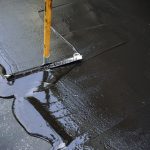 When it comes to maintaining a parking lot, applying sealcoating is an essential step to protect the asphalt surface from damage caused by water, sunlight, and heavy traffic. One of the key decisions that needs to be made when planning to sealcoat a parking lot is whether to use oil-based or water-based sealcoating. In this blog post, we will focus specifically on oil-based sealcoating and discuss the best time to apply it for optimal results.
Understanding Oil-Based Sealcoating
Oil-based sealcoating is a popular choice for parking lot maintenance due to its durability and ability to provide a long-lasting protective layer to the asphalt surface. This type of sealcoating is made from a mixture of asphalt, additives, and emulsifiers that create a flexible and weather-resistant coating. Oil-based sealcoating is known for its deep black finish and ability to protect the asphalt surface from UV rays, water penetration, and chemical damage.
Factors to Consider
Before deciding on the best time to apply oil-based sealcoating to a parking lot, it is important to consider a few key factors that can impact the effectiveness of the sealcoating application. These factors include weather conditions, temperature, traffic volume, and the condition of the asphalt surface.
Best Time to Apply Oil-Based Sealcoating
Ideally, the best time to apply oil-based sealcoating on a parking lot is during the warmer months of the year when the temperature is consistently above 50 degrees Fahrenheit. This temperature range allows the sealcoating to cure properly and form a strong bond with the asphalt surface. Applying sealcoating in cooler temperatures can lead to longer curing times and may affect the overall performance of the sealcoating.
Spring and summer are typically the most ideal seasons to apply oil-based sealcoating, as the warmer temperatures and longer daylight hours provide the optimal conditions for the sealcoating to cure properly. It is important to avoid applying sealcoating during rainy or humid weather, as moisture can affect the adhesion and drying of the sealcoating.
Preparing the Surface
Before applying oil-based sealcoating to a parking lot, it is essential to properly prepare the surface to ensure a smooth and even application. This includes cleaning the parking lot surface to remove dirt, debris, and oil stains, as well as filling any cracks or potholes to prevent water infiltration. It is also important to trim any vegetation along the edges of the parking lot to create a clean and defined boundary for the sealcoating application.
Application Process
The application process for oil-based sealcoating involves cleaning the surface, applying the sealcoat with a squeegee or sprayer, and allowing the sealcoating to cure for at least 24 hours before reopening the parking lot to traffic. It is important to follow the manufacturer’s instructions for mixing and applying the sealcoat to ensure a proper and effective sealcoating application.
Benefits of Oil-Based Sealcoating
There are several benefits to using oil-based sealcoating on a parking lot, including:
– Provides a protective barrier against UV rays, water, and harsh weather conditions
– Enhances the appearance of the asphalt surface with a deep black finish
– Extends the lifespan of the asphalt by preventing cracks, potholes, and deterioration
– Improves traction and safety for vehicles and pedestrians
Summary
The best time to apply oil-based sealcoating on a parking lot is during the warmer months of the year when the temperature is consistently above 50 degrees Fahrenheit. It is important to consider weather conditions, temperature, traffic volume, and the condition of the asphalt surface when planning for a sealcoating application. By following the proper preparation and application process, oil-based sealcoating can provide long-lasting protection and enhance the appearance of a parking lot. If you are considering sealcoating your parking lot, it is recommended to consult with a professional contractor to ensure a successful and effective sealcoating application.
Need a Paving Contractor in Nokesville, VA?
With over 50 years of experience in the design and construction of commercial and residential asphalt paving, Paveco Inc. has the experience and manpower to make your project the best it can be. We use only the highest quality of materials available. Paveco Inc. utilizes the latest technology and equipment available. We have established high standards in Northern and Central Virginia, with attention to quality and detail at an affordable cost to our customers. No matter what size the job is, large or small, we do it all. Contact us today to entrust your next project to Paveco Inc, and see what we can do for you.
When Is The Right Time Of The Year To Sealcoat My driveway?
 The driveway is one of the most crucial aspects of the exterior aesthetic appeal of your home. Over time, its appearance can deteriorate due to exposure to harsh weather conditions, heavy traffic, and regular wear and tear. To ensure its longevity and maintain its visual appeal, sealcoating your driveway becomes necessary. However, timing is crucial when it comes to sealcoating to achieve the best results. In this blog post, we will discuss when the right time of the year is to sealcoat your driveway.
Spring:
The arrival of spring is often considered the most ideal time to sealcoat your driveway. As the harsh winter weather fades away, spring offers a mild climate that is ideal for sealcoating. With the temperatures rising and days becoming longer, the asphalt in your driveway heats up and becomes more pliable, allowing the sealcoat to adhere better.
During spring, the combination of moderate temperatures and low humidity provides optimal conditions for the sealcoat to dry evenly and cure properly. It is crucial to choose a dry day with no rain in the forecast to ensure the effectiveness of the sealant.
Summer:
If you miss the spring window for sealcoating or want to ensure your driveway is protected before the colder months, summer is also a suitable time for sealcoating. The warmer temperatures expedite the drying process, allowing the sealant to cure quickly and effectively.
However, it is important to consider the heat factor during summer sealcoating. Extreme heat can cause the sealcoat to dry too quickly, leading to improper adhesion and an uneven finish. Therefore, it is advisable to begin the sealcoating process early in the morning or late in the afternoon when the temperatures are slightly cooler.
Fall:
Fall is often considered the second-best season for sealcoating your driveway. As the temperatures begin to cool down, the asphalt becomes more manageable, creating a better surface for the sealcoat to adhere to. The moderate temperatures and lower humidity levels ensure proper drying and curing of the sealant.
Additionally, sealcoating your driveway in the fall helps protect it from potential damage caused by ice, snow, and harsh winter conditions. By providing an additional layer of protection, you can extend the lifespan of your driveway and minimize repair costs.
Winter:
Sealcoating during the winter is generally not recommended due to the extreme weather conditions. Cold temperatures can prevent the sealant from drying and curing properly, leading to an ineffective and uneven finish. Additionally, snow, ice, and moisture can interfere with the adhesive properties of the sealcoat, resulting in a decreased lifespan and unsatisfactory results.
However, if you live in a region with milder winters and experience extended periods of dry weather, you can consider sealcoating your driveway during this season. It is crucial to closely monitor weather forecasts and choose a dry and relatively warm day to ensure successful results.
Conclusion:
Understanding the right time of the year to sealcoat your driveway is essential for achieving optimal results. Whether you choose spring, summer, or fall, it is crucial to pay attention to temperature and weather conditions. By sealcoating your driveway at the right time, you can protect it from damage and extend its lifespan, ensuring a beautiful and durable addition to your home for years to come.


