


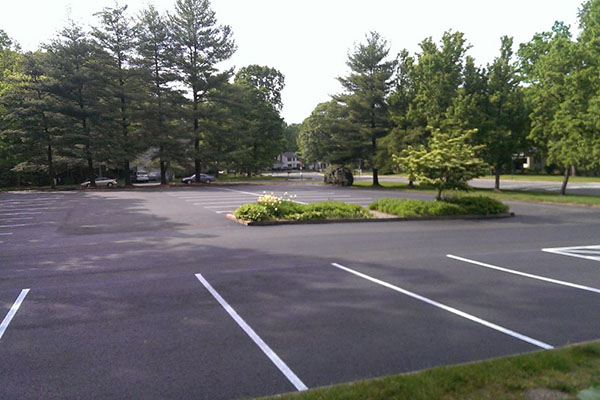
 Managing a large commercial parking lot in Fairfax is rarely simple. Between steady commuter traffic along Route 50, delivery vehicles near I-66 corridors, and seasonal freeze-thaw cycles common in Northern Virginia, pavement issues tend to stack up fast. The real challenge is not identifying problems but deciding what to fix first without disrupting tenants or overspending.
Below, we break down a practical, field-tested way to evaluate and rank repair needs, then turn that information into a phased plan that aligns with safety, budget, and daily operations.
Key Takeaways
- Prioritizing parking lot repairs starts with a full-site evaluation and clear ranking of safety, operational, and structural issues.
- High-traffic areas and compliance-related defects should be addressed before cosmetic or low-impact repairs.
- Phased repair plans help align pavement work with budgets, tenant needs, and Fairfax County requirements.
- Preventive maintenance and regular reviews extend pavement life and reduce long-term costs.
Conduct a Full-Site Pavement Walkthrough
Every prioritization process starts with a physical walkthrough of the entire property.
For large Fairfax commercial sites like retail plazas near Fair Oaks or office parks along Lee Highway, this means covering all driving lanes, fire lanes, loading areas, and pedestrian paths. Visual inspections help identify cracking, potholes, drainage issues, and surface raveling that may not show up clearly in aerial photos.
This step matters because traffic patterns and usage intensity vary across a site, and hands-on observation reveals which areas are deteriorating fastest.
Identify Immediate Safety and Liability Risks
Once conditions are documented, safety-related defects take priority.
Trip hazards at crosswalks, potholes in ADA-accessible routes, and failed striping near building entrances pose real liability risks under ADA guidelines and local inspection standards.
In Fairfax County, commercial properties are often inspected after complaints or incidents, making it critical to address hazards that could impact pedestrians, delivery drivers, or emergency access.
Ranking these items first helps reduce exposure to claims and compliance issues.
Assess Traffic Load and Operational Impact
Not all pavement failures affect operations equally.
High-traffic zones such as main ingress points off major roads like Route 29 or areas serving anchor tenants experience faster deterioration and greater disruption when asphalt repairs are delayed. Evaluating traffic load helps determine which repairs will prevent larger failures and downtime.
This step ensures that work sequencing supports tenant access, delivery schedules, and overall site functionality.
Evaluate Underlying Structural Conditions
Surface damage often points to deeper structural issues.
In Northern Virginia, poor drainage, clay-heavy soils, and aging subbase materials are common contributors to premature pavement failure. Reviewing core samples, drainage flow, and past parking lot repair history helps distinguish between cosmetic fixes and areas that require structural rehabilitation.
Addressing root causes early prevents repeated patching that drives up long-term costs.
Review Compliance and Local Requirements
Commercial sites in Fairfax must meet specific county and state requirements related to fire lanes, stormwater management, and accessibility. Faded fire lane markings, blocked drainage inlets, or deteriorated curb ramps can trigger violations during inspections.
Factoring compliance into prioritization ensures that required repairs are scheduled before enforcement actions or penalties arise, especially in mixed-use or high-visibility properties.
Creating a Phased Repair Plan That Aligns With Budget, Safety, and Operational Goals
Once repair priorities are clearly defined, the focus shifts to organizing that work into a structured plan that balances urgency, cost control, and day-to-day operations. The following principles help turn a ranked list of issues into a phased strategy that keeps large commercial sites functional, compliant, and financially manageable.
Group Repairs by Urgency and Scope
After ranking issues, the next step is grouping them into short-term, mid-term, and long-term categories. Immediate safety hazards are addressed first, followed by preventive maintenance and then capital-intensive reconstruction.
For large Fairfax commercial campuses, this approach spreads costs over time while keeping the most critical areas serviceable. Grouping also helps coordinate work zones to minimize repeated disruptions.
Align Phases With Budget Cycles
Most commercial property owners and managers operate on annual or multi-year capital budgets. Phasing repairs to match these cycles allows for better financial planning and avoids deferring essential work indefinitely.
In Northern Virginia, pricing can fluctuate based on season and material availability, so aligning phases with off-peak construction periods can also improve cost control. Clear phasing helps stakeholders understand where funds are going and why.
Schedule Work Around Tenant and Traffic Needs
Operational continuity is a major concern for commercial sites.
Repair phases should be scheduled to avoid peak business hours, major retail seasons, or known traffic surges. For example, office complexes near Metro-accessible corridors or shopping centers near Fairfax Corner benefit from night or weekend work.
Thoughtful scheduling reduces tenant complaints and keeps parking availability predictable.
Integrate Preventive Maintenance Measures
Phased plans should not focus only on visible damage.
Sealcoating, crack sealing, and line restriping extend pavement life and delay major reconstruction. In Fairfax’s climate, preventive maintenance is especially effective when timed before winter freeze-thaw cycles.
Including these measures in early phases protects recent repairs and maximizes return on investment.
Build in Review and Adjustment Points
Large commercial sites evolve.
Traffic patterns change, tenants rotate, and new regulations emerge.
A phased plan should include periodic reviews to reassess conditions and priorities. This flexibility allows property managers to adjust scopes based on updated inspections, budget changes, or operational needs without losing sight of long-term pavement performance goals.
Take Control of Your Parking Lot Repair Strategy
When parking lot issues compete for attention across a large commercial site, guesswork leads to wasted money and unnecessary risk.
At Paveco Inc, we help Fairfax-area property managers evaluate conditions, rank repairs, and build phased plans that make sense for safety, compliance, and operations.
If you are managing a large commercial property and need a clear path forward, contact us to schedule a site walkthrough and start prioritizing with confidence.
Frequently Asked Questions
How do we know which parking lot repairs cannot be deferred?
Safety hazards, ADA-related deficiencies, and fire lane issues are typically non-deferrable because they create liability and compliance risks. Evaluations usually reference ADA standards, local fire marshal requirements, and Fairfax County inspection criteria to determine urgency.
What is a realistic timeline for phased parking lot repairs?
Timelines depend on scope, access constraints, and permitting needs, but many large commercial sites plan phases over one to three years. Short-term repairs can often be completed within weeks, while structural rehabilitation may require coordination across multiple construction seasons.
How do budgets typically break down for large commercial parking lots?
Costs vary based on materials, labor, and the extent of base repair, but budgets often allocate funds across immediate repairs, preventive maintenance, and long-term reconstruction. Grouping work reduces mobilization costs and improves overall cost efficiency.
How often should commercial parking lots be re-evaluated?
Annual inspections are common for large sites, with additional reviews after severe weather or heavy construction activity. Regular assessments help ensure compliance with evolving regulations and catch early signs of pavement failure before costs escalate.


